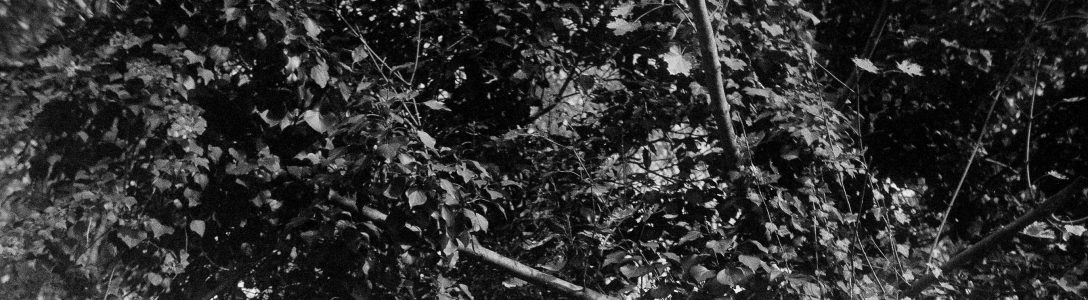
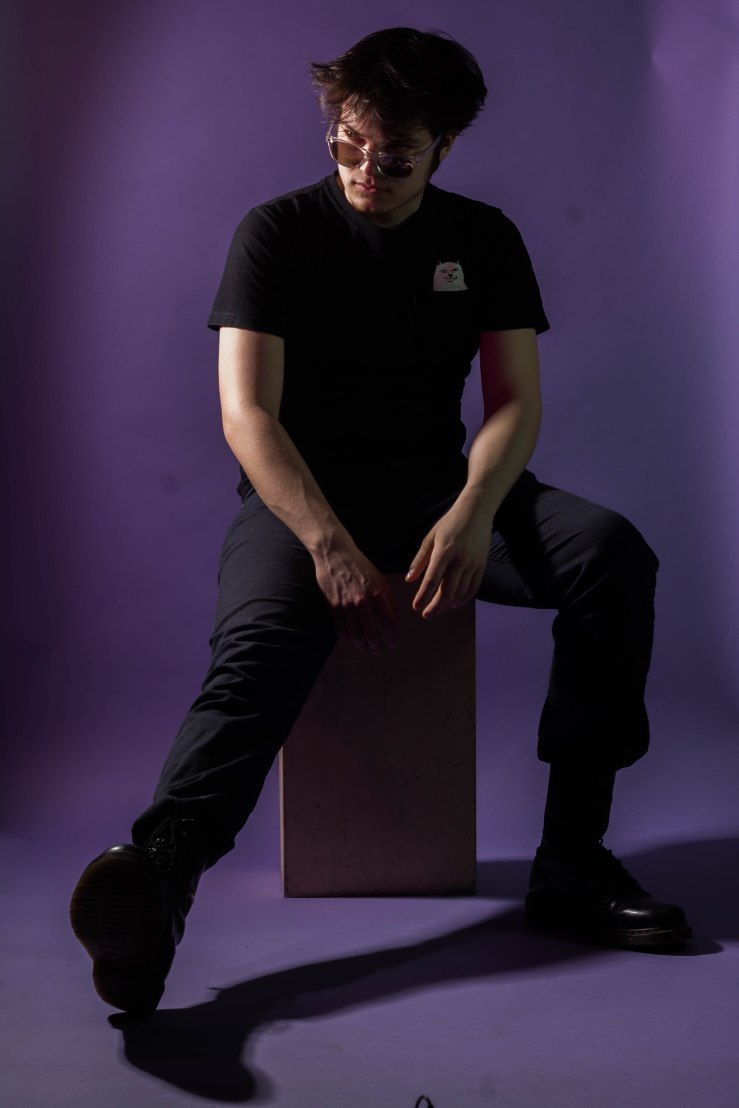
I tried to recreate a movement by movement photo but this was the best that I got.
Blog
Light Painting
Still Life

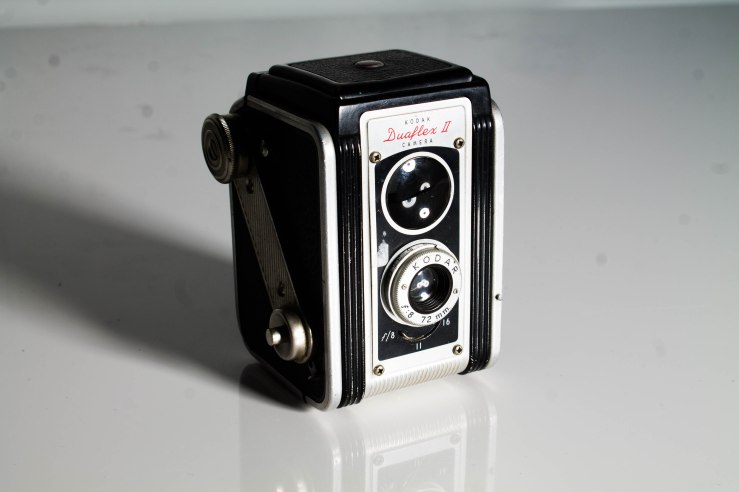

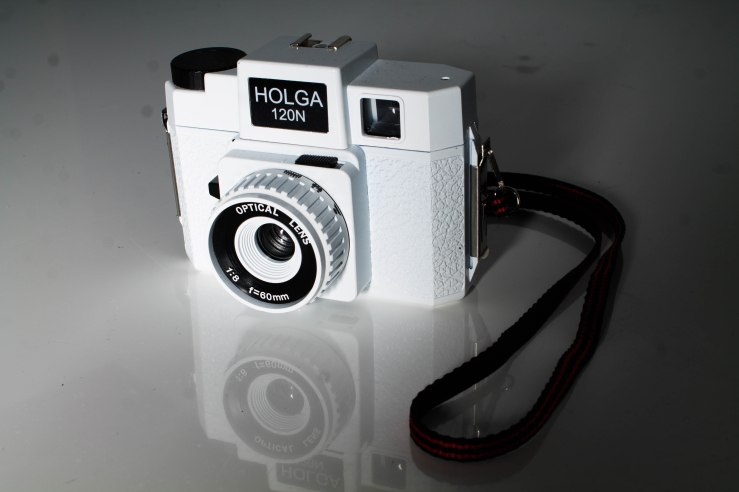
Album Artwork

Three Lights



The Digital Eye Blog #2
From this reading I really enjoyed Paul Berger’s image “Warp and Weft Ground,” for the interesting concept it created. I think that it is specifically interesting because when in a forest it is easy to get lost and this image shows the identicalness of a person’s surrounding in a wooded area. I also think that it has a repetition factor to it but the images are all parts of a different scene. A line from this reading that I particularly liked was “digital images such as these challenge one of the oldest pictorial traditions in the history of art: Renaissance perspective.” This line begins a paragraph about how the Renaissance perspective in paintings can be related to analog photography. This kind of perspective is the one point perspective but due to digital imaging is challenged because it “offers new ways in which the three-dimensional world can be rendered on the two- dimensional surface of a picture plane.
Photography Reborn Blog #1
A line from this reading that I really enjoyed is “As photography moves from the realm of the physical into the realm of the circuit, as photographs become nothing more than strings of numbers, the medium itself is transformed. This change represents more than just another stage in photography’s evolution… Thanks to digital technology, the boundaries of the photographic act, once quite clear are now shifting in unexpected and unrecognizable ways.” I thought this section was interesting because a lot of people believe that analog photography is dead because of the new digital age, but this line reinstates that analog photography is actually being helped. With the help of all of the new technology available today, the film camera can only be helped, due to the ability to scan, edit, and manipulate negatives in programs such as Photoshop.
Another section of the reading I found interesting was the part about Life magazine. The line in the book is “Life magazine, founded in 1936, owed its existence not only to new photographic and printing technologies, but also to the development of rail and trucking systems that made its economical to distribute the magazines once they were printed. Now, digital photographs can be sent over electronic networks at the speed of light, at virtually no cost, creating new audiences and uses.” I think this is an interesting statement because now we take the distribution of our photographs fro granted, but it can also be a bad thing. To share our images on social media, we are risking them being stolen or redistributed without us, the photographer’s’ consent or without receiving any compensation.
Blog 1
I thought this section of the textbook was very interesting. One of the parts that I found interesting was when they were talking about analog photography, since this is my favorite type of photography. The part that I found most interesting was the line “their dissemination is most often through display of the physical photographic print, projection of the image in the case of transparencies or reproductions on the printed page.” Another part of the reading I found interesting was the paragraph on the pioneers in digital imaging. The artist I found most interesting in this section of the reading was Shelia Pree Bright, who “makes composite photographs with toy dolls and women of color that emphasize the difference between the ideal and the real.”
Two Lights






One Lights





 Cara McLaughlin Photography