2019
The history of photography is regarded as a predominately white male timeline. Throughout this history, record of marginalized artists have been overwritten or eliminated. Women were disregarded, while mainstream photographers such as Ansel Adams, Edward and Brett Weston, soared to the top of iconicism. This missing recognition is the cause of the gaps in our medium’s history; it is not written accurately.
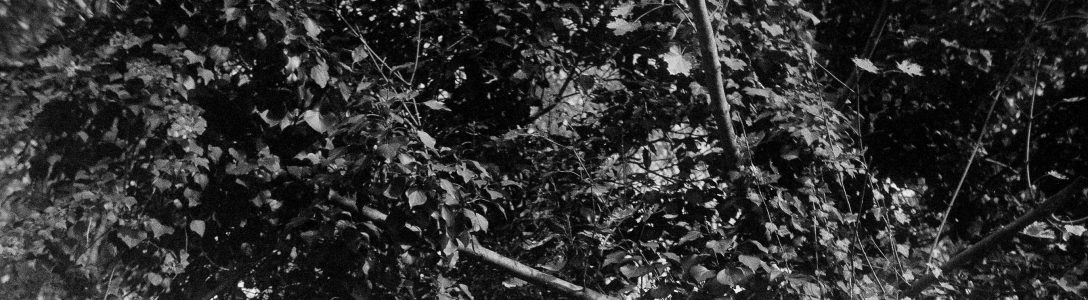
Language of the Female Wanderer pays homage to the icons of the medium’s past, but with a female persona, rewriting these tropes in history. This body of work began as a personal quest to hunt for a specific frame within the landscape, to reinforce these gaps, and to recognize the language used to describe the land. Consequently, a new language is informed in Mother Nature, challenging viewers to question what it means to see through the female gaze.
Within landscape photography, we can recognize the wanderer as being a white male, taking claim of the land, both physically and photographically. As the romanticism of landscapes arose throughout the early 1900s, women are not shown picking up cameras, but rather stand ins as models for the camera, such as the Kodak Girl(s). This photographic romance carries over into the darkroom, which involves themes of how historical icons enhanced and shared the skills of printing with the world. Through analyzing photography’s technical tools, the gender divide became much more prevalent. While peeling apart my own Yashica D camera, and utilizing its manual as a guide to each component, research concluded that all inventors were male – perpetuating a discourse of a singular voice.


 Cara McLaughlin Photography